
Best time to visit Crete: a local's month-by-month guide
PLAN YOUR STAY
Author: Tonia
9 min read
Crete travel guide: best time to visit Crete by season
Crete feels magical because it meets you on many levels at once. Ancient roads, living villages, and warm people make history breathe. Mountains plunge into the sea, gorges carve the land, and the light sharpens colors, slowing time.
Life here follows a natural rhythm, with long lunches, quiet noons, and sunsets that linger. The island softens your pace, grounds you, and reminds you what matters. Hospitality is instinctive: coffee, raki, a story offered because you are truly welcome.
So, when is the best time to visit Crete?
It depends on what you want to experience.
After nearly 20 years of living on the island, I’ve learned that Crete reveals something different in every season. From quiet village days to lively summer nights, each time of year has its own rhythm.
Below is a simple seasonal guide to help you choose the best months for the experiences you’re looking for, and perhaps begin your journey from my cottage in Alagni village.
To make planning easier, here’s a quick look at the best months in Crete for different activities:
Spring in Crete: nature's awakening (April–June)
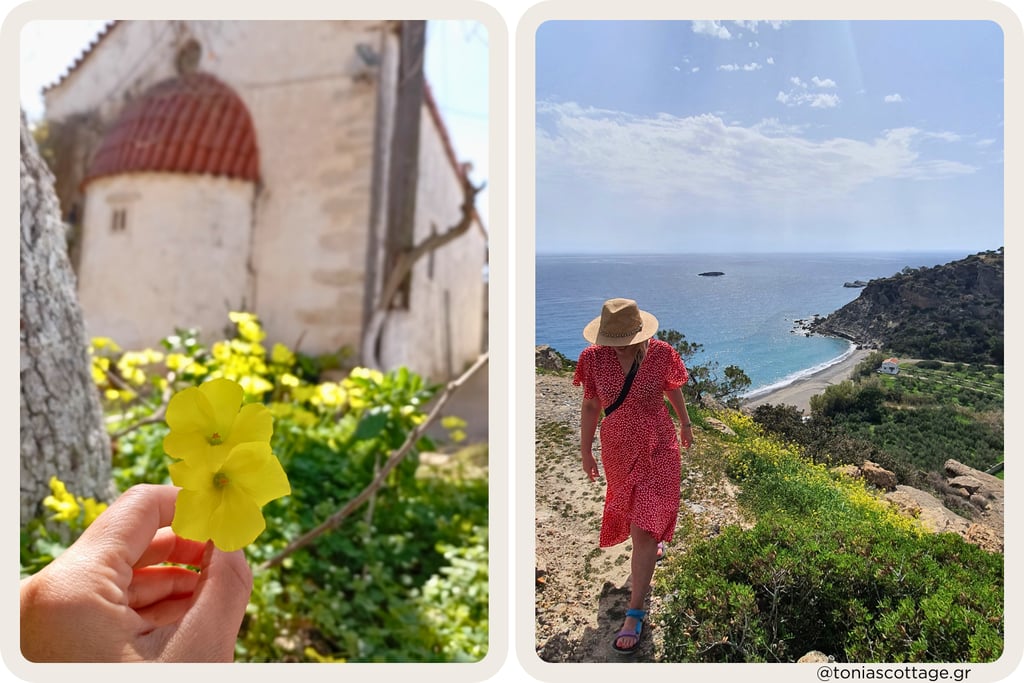
Spring in Crete looks like poetry. The light is fresh and gentle. It carries a green tint because it reflects off new leaves, grasses, and wild herbs. Shadows are soft. Everything looks awake but not loud. This is the most hopeful sun: tender, curious, quietly joyful.
So is Easter in Crete, which usually falls one to five weeks after Western Easter (Protestant, Catholic), though approximately once every four years they coincide. In 2026, Greek Easter falls on April 5th. Learn more about experiencing Greek Easter in Crete in 2026.
Spring tastes like Kaltsounia, Cretan Easter pastries, which I love to gift my guests.🤍
It's warm, but snow is still on the mountains, which adds to this magical atmosphere. In spring, the mountains of Crete smell intensely of wild aromatic herbs: sage, thyme, oregano, and the endemic dittany, mixed with damp earth, orange blossoms, and citrus. If you're looking to experience a new beginning in your life, this is your moment.
April is still quite empty, so it gives you an opportunity to see the authentic island before tourist shops open for the summer season. Everyone is cleaning their offices, preparing, like waking up after a long winter sleep. People are excited for a fresh start, and you feel this in the atmosphere. Cretan hospitality at its finest, waiting to be shared.
April: empty island & snow-capped views
April is ideal if you want to experience Crete at its quietest. With only around 7 days of rain on average (much drier than March), the weather becomes more predictable. Temperatures are comfortable enough to lie on the beach when the sun shines, averaging just over 8 hours a day. The sea is warming up to around 17°C, which most find bracing but swimmable if you don't mind the invigoration.
The water in the sea is still cold in April, but I love to swim and look at the snow in the mountains. The beauty of this contrast helps you stay curious and present.
May: the perfect balance
In May, summer season enters and everything feels alive and open. I love this time.
May signals the transition from spring into summer and is one of the best times to visit. Average temperatures reach around 20°C, the sun shines for 10 hours a day, though nights remain cool. You might still get some rain (around 3 to 4 days during the month), but it's generally brief. The sea temperature climbs to around 19°C, which most people find just warm enough for comfortable swimming.
June: summer arrives
June marks the true start of summer, and the latter part of the month can be very hot. Rain becomes insignificant, and the sea temperature climbs to a pleasant 22°C. While vegetation becomes quite dry at sea level, it's an excellent time to explore the hills and mountains where late spring flowers still bloom.
June is perfect if you want warm summer weather without the peak season crowds.
These are my favorite months to experience Crete by driving around the island.
Summer in Crete: endless blue skies (July–September)
What I love most about summer is its predictability. Even with recent climate shifts, summer in Crete remains stable and comfortably simple. You wear the same light clothes every day. No sweaters, no second thoughts about shoes. You step out in the morning and return at night knowing you will be just fine.
The summer sun turns white gold and powerful. Colors soften and flatten, edges sharpen, contrasts grow bold. At noon, it asks for stillness. Early mornings and late afternoons melt into honey and amber tones, warm, slow, and sensual.
Yes, it can get hot. But the heat comes in waves and changes from year to year. I remember summers of relentless heat, followed by others where it lasted only a few days at a time. In the end, heat becomes heavy when we fixate on it. The more you repeat “I’m so hot,” the more it settles into your body.
I have found the best remedies for the heat. Swims in the sea, you will not feel hot for hours after. Amazing summer fruits, especially watermelon cold from the fridge. And beer that tastes incredible when it is cold in the evening. I love how life stretches so long into the night. Evenings are full of people and energy. Crete is very safe, so you do not need to be afraid to go out at night, though as always, stay aware.
I love sunset swims when the sea empties out, and the slow village life with people occasionally dancing in the main platia. Summer here smells like watermelon, Cretan salad, and cold feta cheese taken straight from the fridge.
Sometimes we get the Notias, winds from Africa, from the south. Instead of a cooling breeze, you get a hot wind. It is funny when you open your car window while driving and hot air envelops you like a winter hot tub.
Beyond the tourist crowds
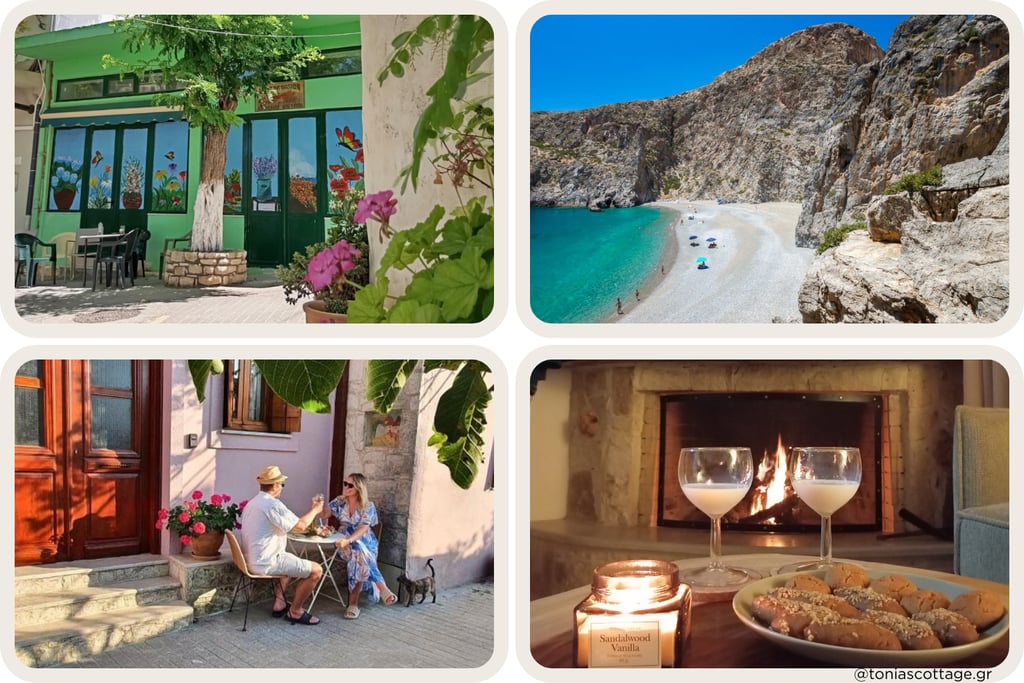
Summer is filled with tourists who maybe do not always mind exactly where they are, as long as there is sun and sea. Mass tourism, as we call it. But amidst all that, you can still find places like Alagni village where you will speak with people who actually live there, far from noise, where cicadas play so loud at night they hum you to sleep.
Summer holidays can mean parties, loud noise, and crowds. But in a Cretan village, it has a very different taste, like fresh squeezed orange juice with ice, drunk in the shade you have been searching for.
The weather
Temperatures from July to September can soar to 40°C/104°F (or more!). The sea is wonderfully warm, inviting multiple swims throughout the day. Whether you are seeking organized beaches or hidden coves, the summer waters are perfect for swimming and snorkeling.
Staying cool at Tonia’s Cottage
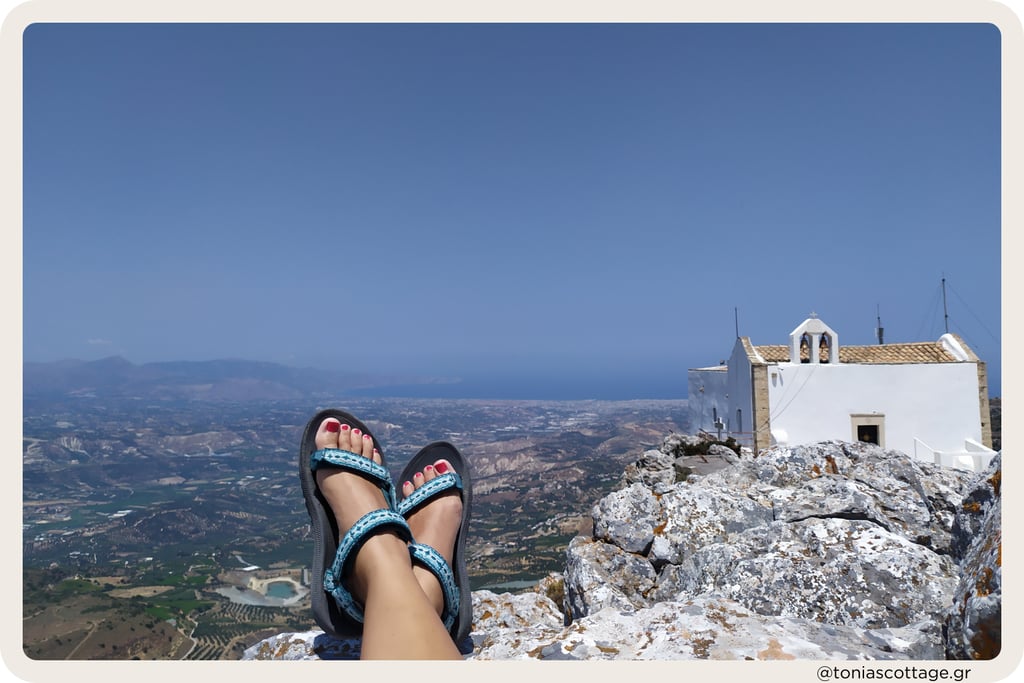
At Tonia’s Cottage, the summer experience is particularly pleasant. Situated at 470 meters above sea level, the cottage stays about 1 to 2°C cooler than the coast. The thick stone walls, mountain breezes, and modern air conditioning create a comfortable escape after a day filled with sun.
Making your choice
Come whenever you are ready.
That is the truest answer I can give you. Every guest who has stayed at the cottage has found something in the season they arrived in — something they did not expect, something they would not have found at a different time of year.
The best time to visit Crete is not a date on a calendar. It is the moment you decide to come.
If you would like help planning which month suits what you are looking for, I am happy to talk it through. Just reach out — it is what I am here for.
Check availability at Tonia's Cottage →
Tonia ❤️
Autumn: the perfect balance (September–November)
The light lowers and thickens. Gold becomes copper, then rust. The sun feels slower, more reflective. It wraps objects instead of striking them. Everything looks textured, meaningful, slightly nostalgic.
If you're looking to slow down in life and contemplate it, this is your best time. It's very warm during the day, and the only difference is that nights are colder, which brings great relief after the hot summer months. Everyone is thinking about tourist jobs closing and ending, about resting. A kind of relief paints people's faces.
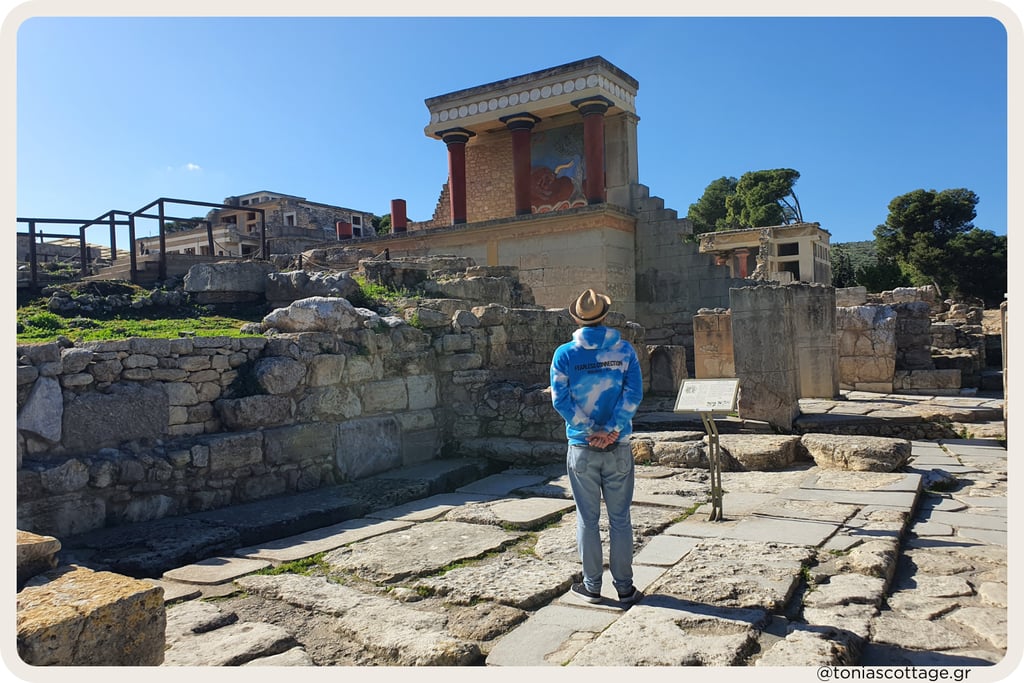
In the village, life flows slow as always. The sea is very warm, warmer even than in spring. This is the best time for hiking, late September to October. The cooler weather allows for trekking to higher elevations.
In recent years, I've noticed that autumn has the quietest sea with the most poetic views. Many trees in Crete do not lose their leaves. The island is full of evergreen life. Olive trees, citrus trees, carob, bay laurel, pine, cypress, and many shrubs keep their leaves all year. There is no ending, no empty trees. Flowers still bloom. When sunshine is up, colors are still very present. So much light.
Winter in Crete: the island's best-kept secret (December–March)
The sun is pale, silver, sometimes blue. It sits low in the sky and stretches long shadows. When it appears, it feels intimate and precious, like a quiet gift. Colors are cleaner, air sharper, light more honest.
Winter in Crete is like opening a box of chocolates. You never quite know what you're going to get. This is the season that surprises visitors most, revealing a side of the island that few tourists experience.
After so many years on the island, I've learned that you just never know. Morning can be sunny, then heavy rain, then a strong wind. Temperatures typically range from 10–18°C (50–64°F), mild by northern European standards. You'll experience sunny days that feel almost spring-like, followed by dramatic storms with heavy rains. Snow blankets the mountain peaks, creating stunning contrasts with the evergreen valleys below. It's wise to pack for all possibilities: warm clothes, rain gear, and sunglasses for those brilliant sunny days.
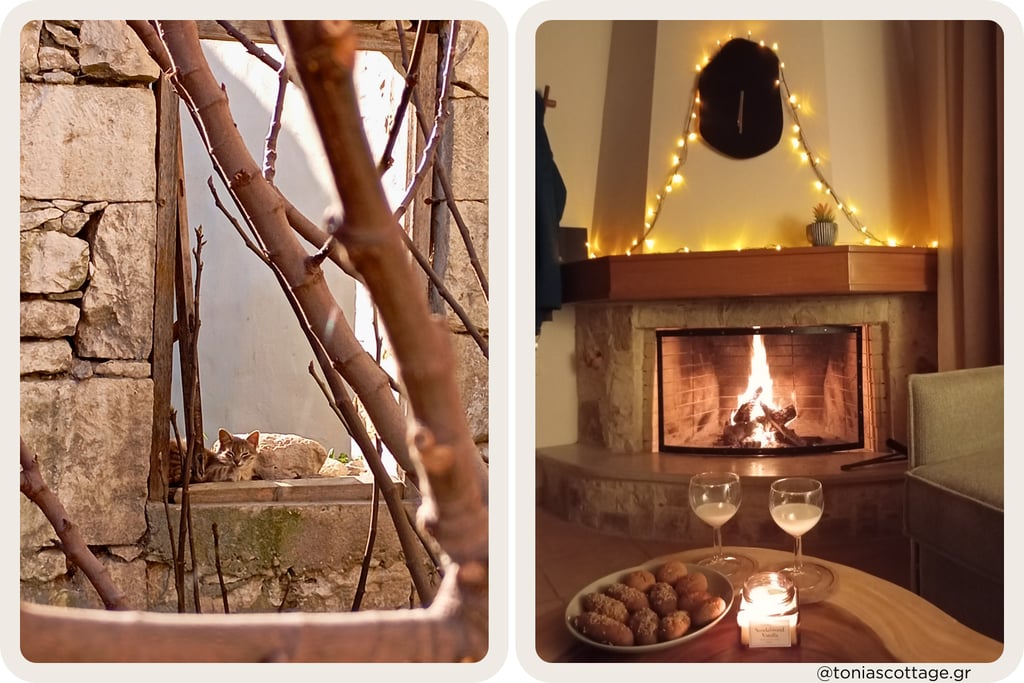
This unpredictability reminds me that you can't control the weather, and nature does what it does. When sun is up, we explore the island, smile at it, and rest. When rainy days come, we gently envelope ourselves in the warmth of home heating, like a fireplace in Alagni, or air conditioning warmth. Most houses have no central heating, which is actually quite healthy. You don't feel perfectly comfortable all the time. (I smile as I write this.)
And then comes Christmas and New Year (Learn more about winter holidays in Crete). Christmas is less important than Easter here, though yes, we celebrate. My favorite part is decorating ships in lights. For the last few years, December has had a lot of sunshine.
January to March is pretty unpredictable weather: heavy rains, storms, followed by sunny days breaking through.

FAQ: making your choice
Is October a good time to visit Crete?
October is one of the best-kept secrets in Crete. The sea stays warm at around 23°C, crowds have gone home, and the island shifts into olive harvest season. Prices drop significantly compared to summer. From my cottage in Alagni village, October feels like Crete at its most authentic — slow, golden, and genuinely welcoming.
Is Crete too hot in August?
August in Crete averages 33°C and can feel intense, especially inland. That said, the sea breezes and cool evenings make it manageable. The bigger challenge is the crowds — beaches, restaurants, and roads are at their busiest. If you choose August, I recommend basing yourself in a village rather than a tourist resort. The rhythm is completely different.
What is the cheapest month to visit Crete?
November through March offers the lowest prices on accommodation and flights. April and October are the sweet spot — prices are 30–40% lower than peak season, yet the weather is still pleasant and most businesses are open. For a holiday cottage experience in a Cretan village, spring and autumn offer the best value by far.
Can you swim in Crete in May?
Yes — sea temperatures in May reach around 20°C, which is refreshing rather than cold. Most beaches are open, the wildflowers are extraordinary, and the island has a quiet, unhurried energy. May is personally one of my favourite months to be here. The light is softer, the hills are still green, and you feel like you have the whole island to yourself.
When should I avoid visiting Crete?
There is no truly bad time to visit Crete — every season has something genuine to offer. That said, if you are coming for beaches and open tavernas, December through February can feel quiet, with some businesses closed. January and February also bring the most rainfall. If you want the full Cretan experience, I suggest avoiding nothing, just arriving with the right expectations for the season.
Follow Tonia's Cottage
Made with ❤️
© 2024 Tonia's Cottage | All Rights Reserved
Property Registration Number (AMA): 00002660089
About Tonia's Cottage
A peaceful holiday home in the heart of Crete, surrounded by vineyards and traditional villages. An ideal base for discovering authentic Crete, local wineries, beautiful beaches, and mountain landscapes.
Why stay here?
Contact details
(+30) 697 054 0969
info@toniascottage.gr
linktr.ee/toniascottage
Alagni Village
70300 Arkalochori
Crete Island, Greece
Explore on platforms
Airbnb
Booking.com
HomeToGo
Vrbo
Slowhop