
Winter holidays in Crete: discover the island’s quiet side
PLAN YOUR STAY
Author: Tonia
11 min read
Why Crete is perfect for a winter holiday
From December to the end of March, winter in Crete offers a rare opportunity to experience the island in its most peaceful state. With fewer tourists, you can wander through picturesque villages, discover ancient traditions, and immerse yourself in the island’s rich culture. This is the true Crete—untouched, mysterious, and waiting for you to explore.
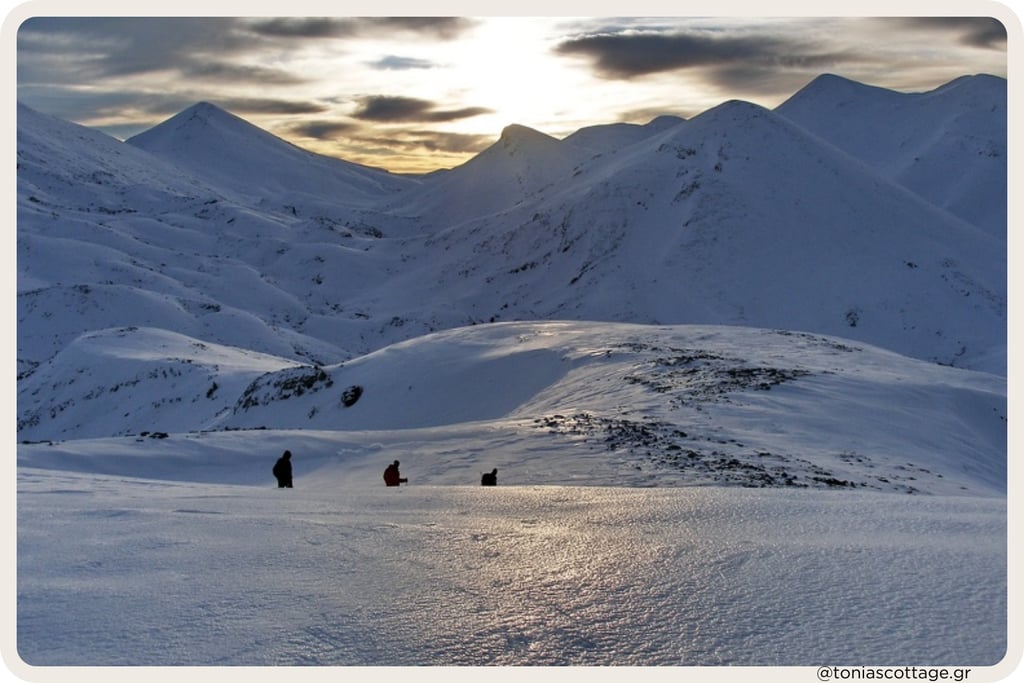
Winter activities in Crete
Winter in Crete brings clarity, fresh air, silent paths and nature waiting to be explored at your own rhythm.
Hiking in Crete
Hiking in winter is something truly special here. The gorges and trails are almost empty, the air is crisp and the landscape turns surprisingly green, so different from the golden dry hills of summer. I’ve walked through gorges where the only sounds were my footsteps and the occasional bird call. It’s deeply rejuvenating.
Before heading out on winter hikes always ask locals about the routes. They know best which paths are safe and suitable for the season. It’s also worth reading this practical guide on hiking safety in Crete.
Skiing in Crete
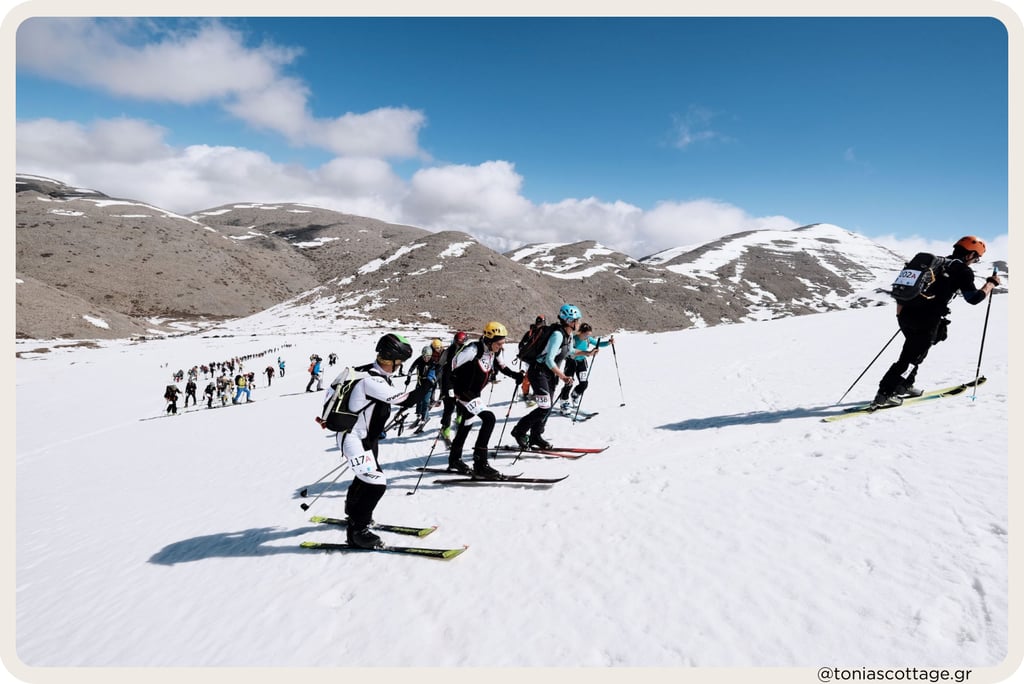
Now Crete and skiing might not seem like an obvious combination but hear me out. The island’s mountains Psiloritis, the White Mountains and Dikti rise above 2,000 meters and offer unique opportunities for ski mountaineering. The annual Pierra Creta race attracts enthusiasts from around the world and watching videos of ski mountaineering in Crete gives a glimpse into this rare experience. It’s not about ski resorts or crowds and that’s exactly what makes it so special.
Getting to Crete in winter
Reaching Crete in winter is simple. You can fly to Heraklion via Athens—Aegean Airlines and SKY Express have daily flights. I’ve flown with Aegean Airlines for nearly twenty years and can genuinely recommend them. They are reliable, professional, and the service is consistently good. Some countries also offer direct winter flights, so it’s worth checking for seasonal connections and deals.
Another option is the ferry from Piraeus to Heraklion with ANEK Lines or Minoan Lines. The journey takes about nine hours and is a memorable experience, especially as you approach Crete’s harbor and see the mountains slowly rising from the sea.
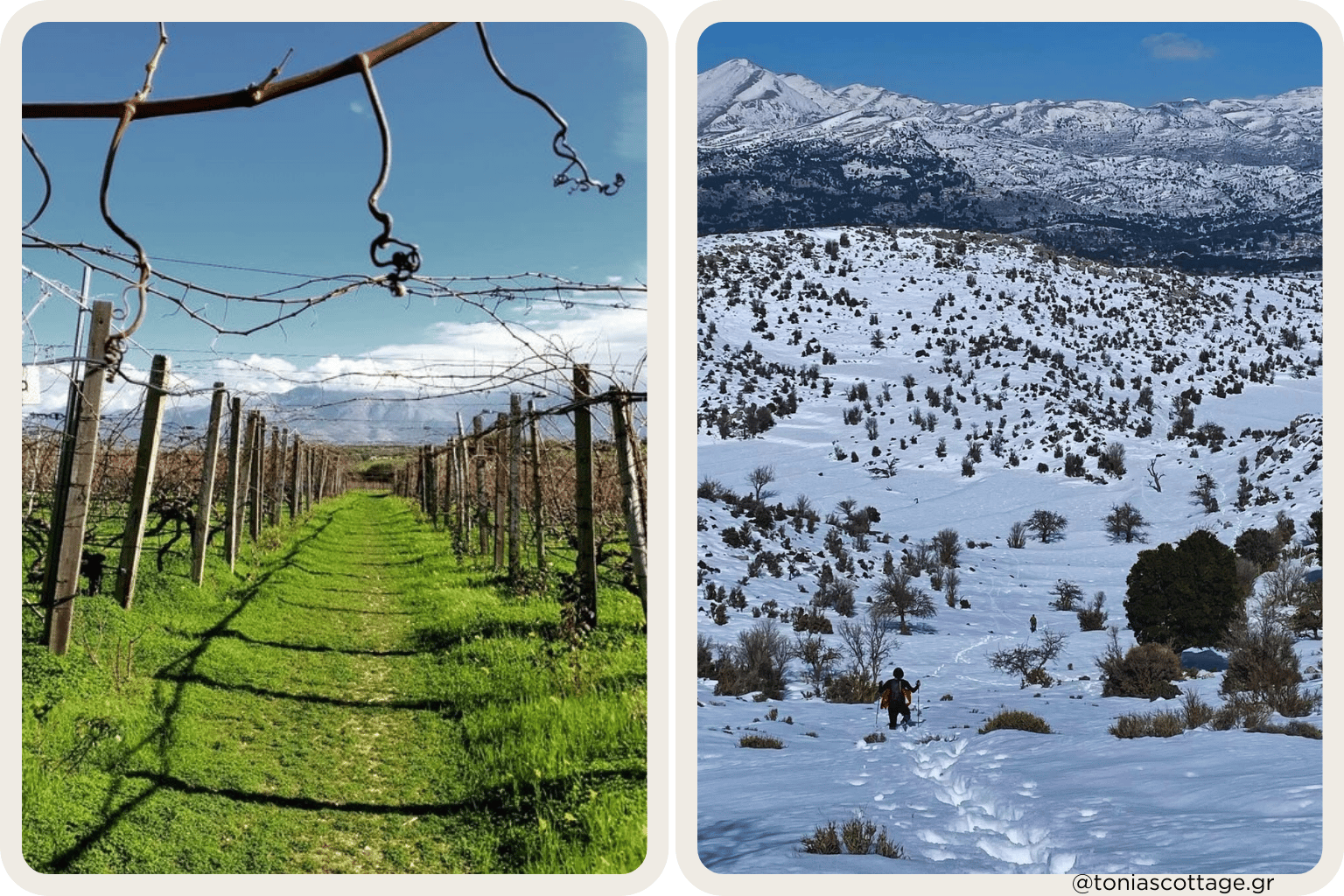
Watch and let the visuals speak for themselves. You’ll see why winter in Crete feels so unique, magical, and inviting.
Can’t wait to welcome you to Crete.
Tonia ❤️
Crete's archaeological sites and museums
Winter is honestly the perfect time to explore Crete's archaeological sites and museums. I love visiting during these months because you can actually take your time without crowds pushing past you, and entrance fees are lower too. From November to March, many sites offer free entry on the first Sunday of the month, a great opportunity to explore without breaking the bank.
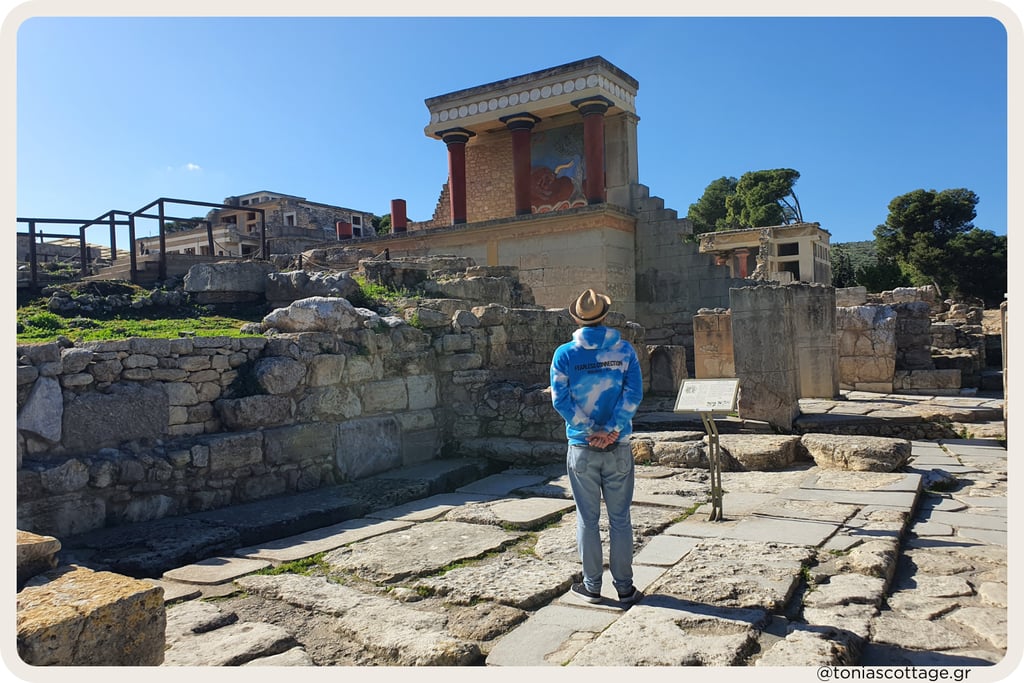
The Heraklion Archaeological Museum is absolutely worth a visit, especially to see the famous Bull-Leaping Fresco up close. And of course, Knossos Palace takes on a different character in winter—you can walk through the ancient corridors and courtyards imagining what life was like here thousands of years ago, without the summer heat and crowds.
Kotsanas Museum of Ancient Greek Technology showcases working models of over 300 ancient Greek inventions in fields like robotics, astronomy, and hydraulics. A must-see, especially for tech or engineering nerds—it's absolutely mind-blowing to see these ancient machines actually working.
The Natural History Museum of Crete and Cretaquarium offer great indoor activities when the weather turns grey.
For literature lovers, the Nikos Kazantzakis Museum in Myrtia (just a short drive from the cottage) offers deep insight into the life of Greece's most renowned writer. The village streets in Myrtia are uniquely named after his famous characters and books, like Alexis Zorbas Street, which adds a special literary charm to your visit.
Winter social life: the heart of Cretan hospitality
One of the first things you will notice in winter is how the social world tightens in the most wonderful way. Without summer crowds, villages settle back into their own rhythms. People gather more often, check on one another, and share meals that stretch from afternoon into evening. Name days, the feast day of the saint you are named after, are celebrated with open houses. Just drop by and you will likely find coffee, raki, sweets, and maybe even be invited to stay for a meal.
This is not hospitality for show. It is how Cretans have thrived for centuries, keeping communities strong, especially during the lean winter months. Even today, when supermarkets are full, these traditions of mutual care continue. A neighbor brings soup to someone who is ill, friends gather spontaneously when someone needs company. Winter evenings create pockets of time for long conversations and family stories that keep the island’s history alive. You might hear tales of grandparents who lived through the war, uncles who emigrated and returned, or old village feuds that everyone now laughs about. These are not museum pieces, they are living memory passed down over winter tables with wine and walnuts.
Carnival season: laughter before Lent
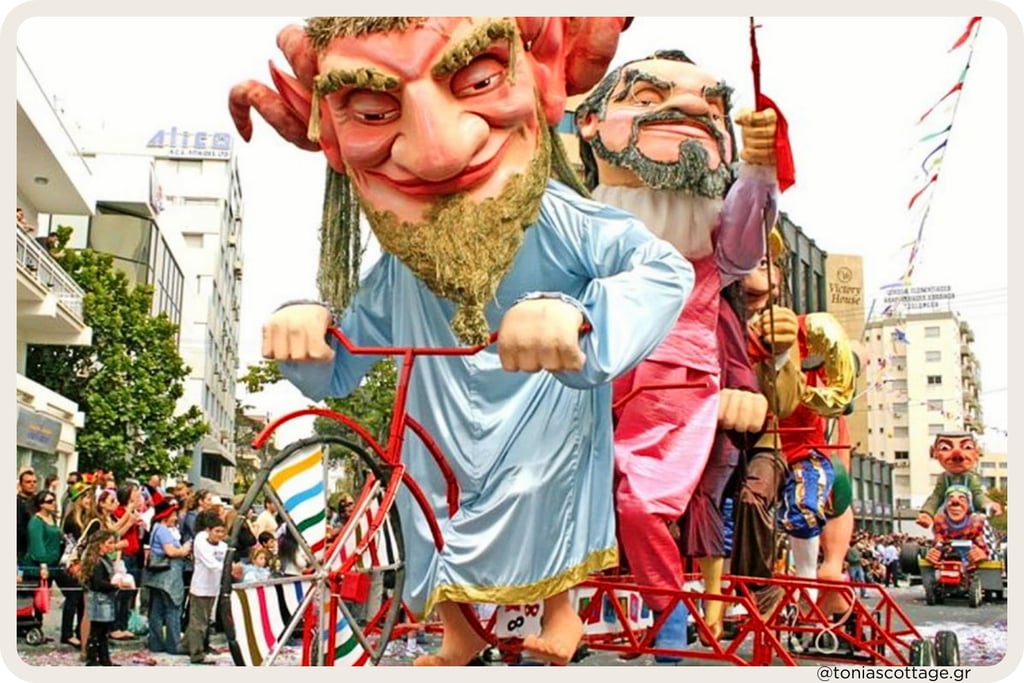
As February progresses, the mood on the island shifts dramatically. This is Apokries, the Greek Carnival season, and Crete knows how to celebrate. The highlight is Tsiknopempti, or "Smoky Thursday." The name says it all. Walk through any town or village on this day and the air is filled with the irresistible smell of grilled meat. Tavernas set up outdoor grills, families gather, and it feels like the entire island is cooking at once. You can literally follow your nose to find the best celebrations.
Rethymno hosts one of Greece’s most famous Carnival events, with elaborate floats, satirical performances, and crowds filling the old town. Even smaller villages join in with their own parties, costumes, and plenty of raki flowing. It is a time when Cretans let loose before the more serious period of Lent begins. The humor is often sharp and playful, with people dressing up and poking fun at everything from politics to local gossip, all in good spirit.
March: spring awakens with Clean Monday
The shift from Carnival to Clean Monday, or Kathara Deftera, can feel sudden. One day you are enjoying grilled meats and laughing with crowds, and the next the island transforms. Clean Monday marks the start of Lent, and Cretans celebrate outdoors whenever possible. Families head to beaches, hillsides, and fields with one essential item: kites.
There is something magical about seeing dozens of colorful kites soaring in the spring sky. Children run until their legs give out, trying to lift their kites higher than anyone else’s. Adults join in too, as there is no age limit to this joy. Kite flying represents a kind of spiritual lifting, a lightness as the island transitions from winter into spring.
The food changes completely for this day. Traditional Clean Monday meals are Lenten, with no meat or dairy, but they remain delicious and abundant. You will find flat lagana bread sprinkled with sesame seeds, taramosalata, giant beans baked in tomato sauce, grilled octopus, olives, pickles, and plenty of fresh vegetables. For dessert, there is halva, both sweet and satisfying. In Crete, where olive oil is practically a food group on its own, Lenten food can be incredibly flavorful.
By late March, spring is truly here. Sunshine increases, temperatures rise, and the island transforms before your eyes. Spring flowers bloom in the lower regions while snow still caps the mountains, creating a unique landscape where you can experience multiple seasons in a single day. It is a photographer’s dream and one of the most magical times to explore the island.
Almond blossom: the harbinger of spring
From late January through March, something magical happens on Crete’s plateaus. Almond trees burst into bloom, covering the landscape in delicate pink and white flowers that fill the air with a sweet, jasmine-like scent. The constant buzz of bees signals the arrival of spring, even when the calendar still says winter.
In Greek mythology, the almond blossom symbolizes eternal love, adding a special layer of meaning to this natural spectacle. I never tire of this sight—it feels as if the island itself is celebrating the return of warmer days.

Your winter escape to Crete
Crete in winter is a quiet retreat far from the summer crowds. Mild temperatures, fewer visitors, and a rich flow of traditions from Christmas through Carnival into early spring create a season that feels alive. There is something for every kind of traveler. You can wander ancient sites without crowds, discover hidden villages, dive for the cross on Epiphany, dance through Carnival, fly kites on Clean Monday, or simply enjoy a warm meal by the fireplace. Winter gently lets Crete sink into your heart.
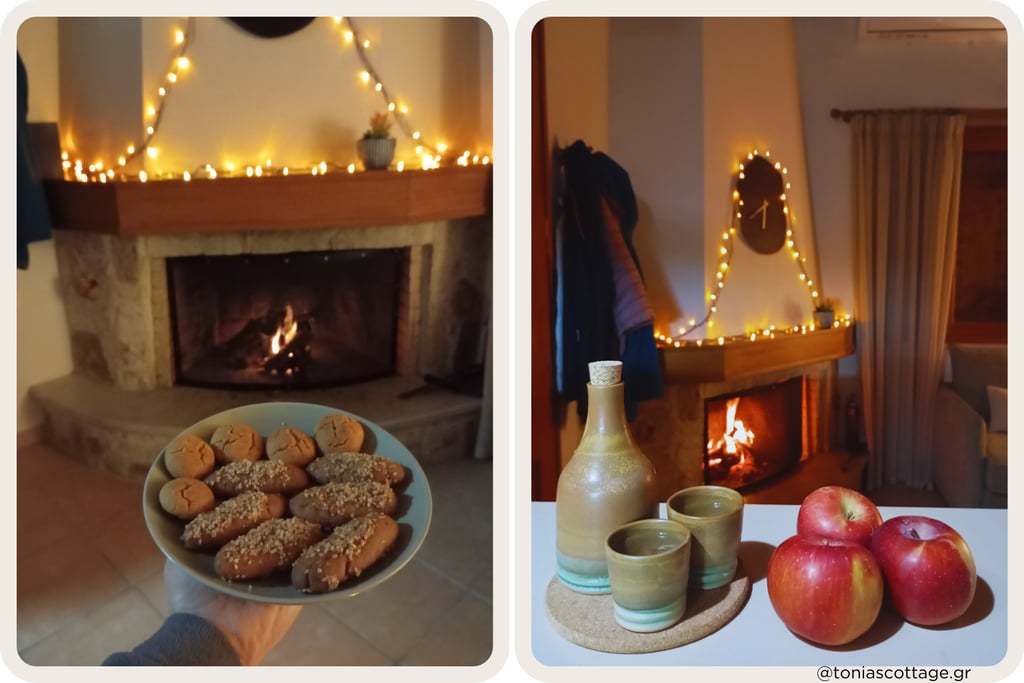
After a day of exploring, you return to the calm of Alagni Village. Tonia’s Cottage is a cozy place to unwind with a glass of local wine while the winter sunset paints the sky in soft pinks and oranges. Ending the day in such stillness feels deeply satisfying, knowing you experienced the island as locals do, through its traditions, flavors, and timeless rhythms.
Winter in Crete: the best cocktail of landscapes
Winter brings a mix of landscapes you won’t find anywhere else. Snow-covered mountain peaks rise above endless olive groves, while the valleys below remain green and full of life. The island becomes a living contrast, shifting from day to day with the weather.
Here’s a wonderful video capturing the magic of a Cretan winter, from snow-capped mountains to serene sea views and quiet villages:
Mild winter, ideal for exploration
One of Crete’s best-kept secrets is how mild the winters are. In January and February, temperatures range from 10 to 18°C, cool enough for a cozy sweater but perfect for enjoying long days outdoors. Thanks to its southern location, Crete stays warmer than most Greek islands. During this season, the olive harvest is in full swing and you might even witness the traditional raki distillation, a fascinating sight and smell.
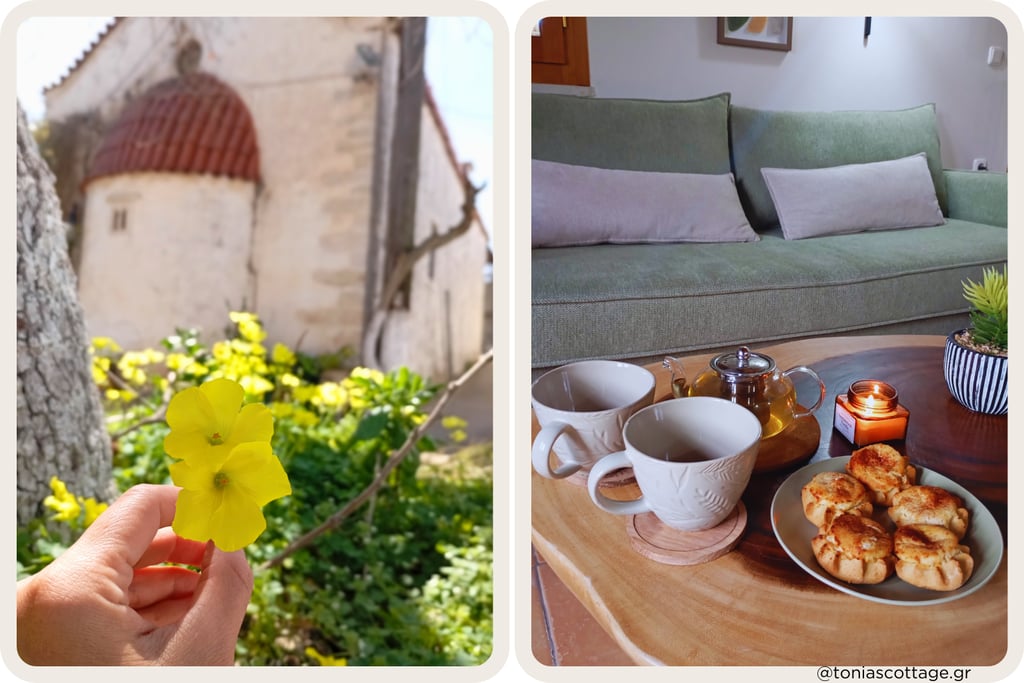
Visitors are often surprised by how green the island remains in winter. The hills stay lush, wildflowers bloom earlier than expected, and Crete reveals a quieter, more mysterious side. Winter here feels out of the ordinary, offering a glimpse of the island few get to see.
Why renting a car is the best way to explore Crete in winter
Winter is one of the best times to explore Crete by car. With fewer tourists on the roads, you can wander through picturesque villages at your own pace, stop whenever a view catches your eye, and uncover hidden corners that most visitors never see. The roads are quieter, the driving is more relaxed, and places that are crowded in summer feel peaceful. Rental prices are also lower in the off-season, which is always a welcome bonus.
As your host at Tonia’s Cottage, I can arrange a rental car for you through a trusted local company I work with. This makes getting around stress-free and ensures you have a reliable vehicle for your adventures. You can read more about car rental in Crete on my dedicated page.
Winter months in Crete: a seasonal journey
December: crisp air and festive charm
December brings a refreshing chill to Crete, with snow dusting the mountain peaks and crisp air sweeping across the island. While the higher elevations offer opportunities for winter sports, the lower trails are perfect for hiking in mild, sunny weather—you may find yourself enjoying the warmth of the sun as the day goes on. Villages throughout the island sparkle with Christmas decorations, and the olive harvest continues, adding a charming local rhythm to the season.
There is something magical about watching the harvest while Christmas lights twinkle in nearby tavernas, a quiet celebration of winter life on the island.
Celebrate Christmas like a local
Christmas in Crete feels authentic and untouched by mass tourism. Streets sparkle with festive lights, and children sing the traditional kalanda carol, often accompanied by the cheerful sound of a triangle.
While some tourist attractions close for the season, this only enhances the experience. The tavernas and restaurants that remain open are genuine local spots, serving authentic Cretan cuisine to mostly local customers. You’ll find yourself dining alongside Cretan families rather than tour groups, giving you a true taste of island life.
One tradition that surprises many visitors is the karavaki. Instead of decorating a Christmas tree, many Cretan families decorate a boat. This custom reflects Greece’s deep connection to the sea and dates back to the late 1800s. Originally, it was a way to wish sailors safe passage and a prosperous year ahead, while also honoring mariners and sailors who serve the country. You’ll see these decorated boats in homes, shops, and public squares across the island.
If you want to learn more about Christmas traditions in Crete, there’s a wonderful guide on Crete Locals that dives deeper into the island’s festive customs.
January & February: deep winter and living traditions
January and February are Crete’s coldest months, when snow blankets the mountains and frost sometimes touches the lowlands in the early morning. These months are perfect for snowshoeing and cross-country skiing, with the striking contrast of snowy peaks against lush green valleys creating a breathtaking landscape.
Even in the heart of winter, Crete can surprise with what locals call "Alkyonides Days." Between mid-December and mid-February, these rare warm spells bring clear skies, calm winds, and temperatures above 20°C. On such days, it’s not unusual to enjoy a picnic lunch outdoors, a gentle reminder that you’re still in the Mediterranean.
Epiphany: blessing the waters
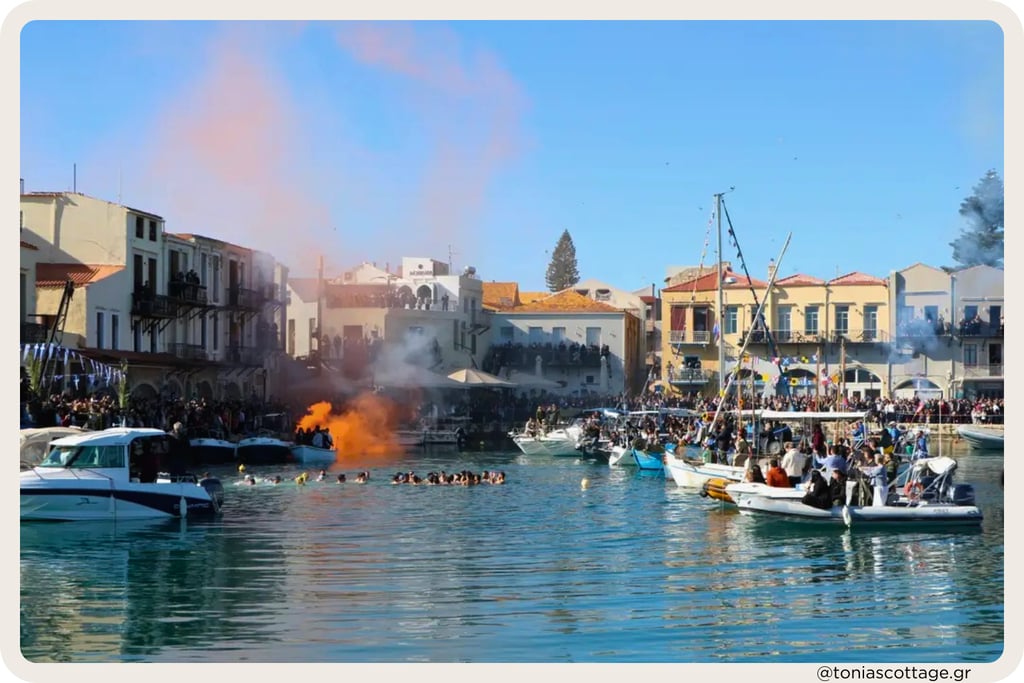
On January 6th, Crete celebrates Epiphany in a way that is both spiritual and thrilling. In coastal towns like Heraklion, one of the island’s most dramatic traditions takes place. After the priest blesses the waters and throws a cross into the sea, young men dive into the freezing January water to retrieve it. I’ve watched this ceremony many times, and the courage it takes never fails to impress—the water is absolutely frigid! Whoever retrieves the cross is said to receive blessings for the year, and the whole community celebrates with him.
In villages away from the coast, priests visit homes with holy water and basil sprigs, blessing doorways and corners. Many families keep a bottle of this blessed water, called agiasmos, throughout the year. There’s also a charming folk belief that Epiphany drives away the kalikantzaroi—mischievous winter goblins who cause trouble during the twelve days of Christmas. Whether people truly believe in them or not, it’s a playful tradition that gives children and adults alike a fun way to mark the turning of the season.
Cretan winter food: comfort and warmth
If you have already been to Crete, you know that food is a big reason to return. Winter brings a different side of Cretan cooking, with seasonal dishes based on fresh ingredients that don’t appear in summer. Wild horta potherbs shine alongside slowly grown vegetables, and there are more opportunities to enjoy truly fresh fish from the Cretan sea.
With most tourist-focused restaurants closed, village taverns offer honest, generous home-style cooking in a warm and welcoming atmosphere. Mild winter weather often allows outdoor tables, so on sunny days you can enjoy lunch outside surrounded by the quiet rhythm of village life.
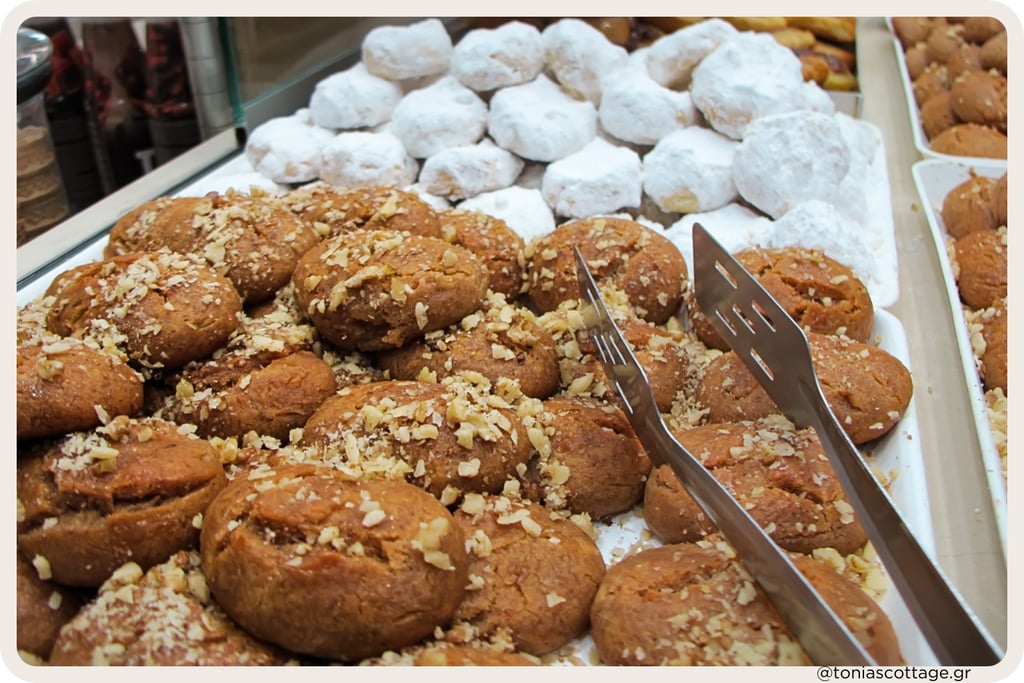
Winter wouldn’t be complete without Christmas sweets. Melomakarona, honey-soaked and spiced, and Kourabiedes, delicate almond cookies dusted with powdered sugar, appear in homes, cafés, and tavernas. Paired with Greek mountain tea or coffee, they become a small winter ritual and a moment of pure comfort.
With a little luck and curiosity, winter in Crete offers some of the most memorable flavors of your life.

Follow Tonia's Cottage
Made with ❤️
© 2024 Tonia's Cottage | All Rights Reserved
Property Registration Number (AMA): 00002660089
About Tonia's Cottage
A peaceful holiday home in the heart of Crete, surrounded by vineyards and traditional villages. An ideal base for discovering authentic Crete, local wineries, beautiful beaches, and mountain landscapes.
Why stay here?
Contact details
(+30) 697 054 0969
info@toniascottage.gr
linktr.ee/toniascottage
Alagni Village
70300 Arkalochori
Crete Island, Greece
Explore on platforms
Airbnb
Booking.com
HomeToGo
Vrbo
Slowhop